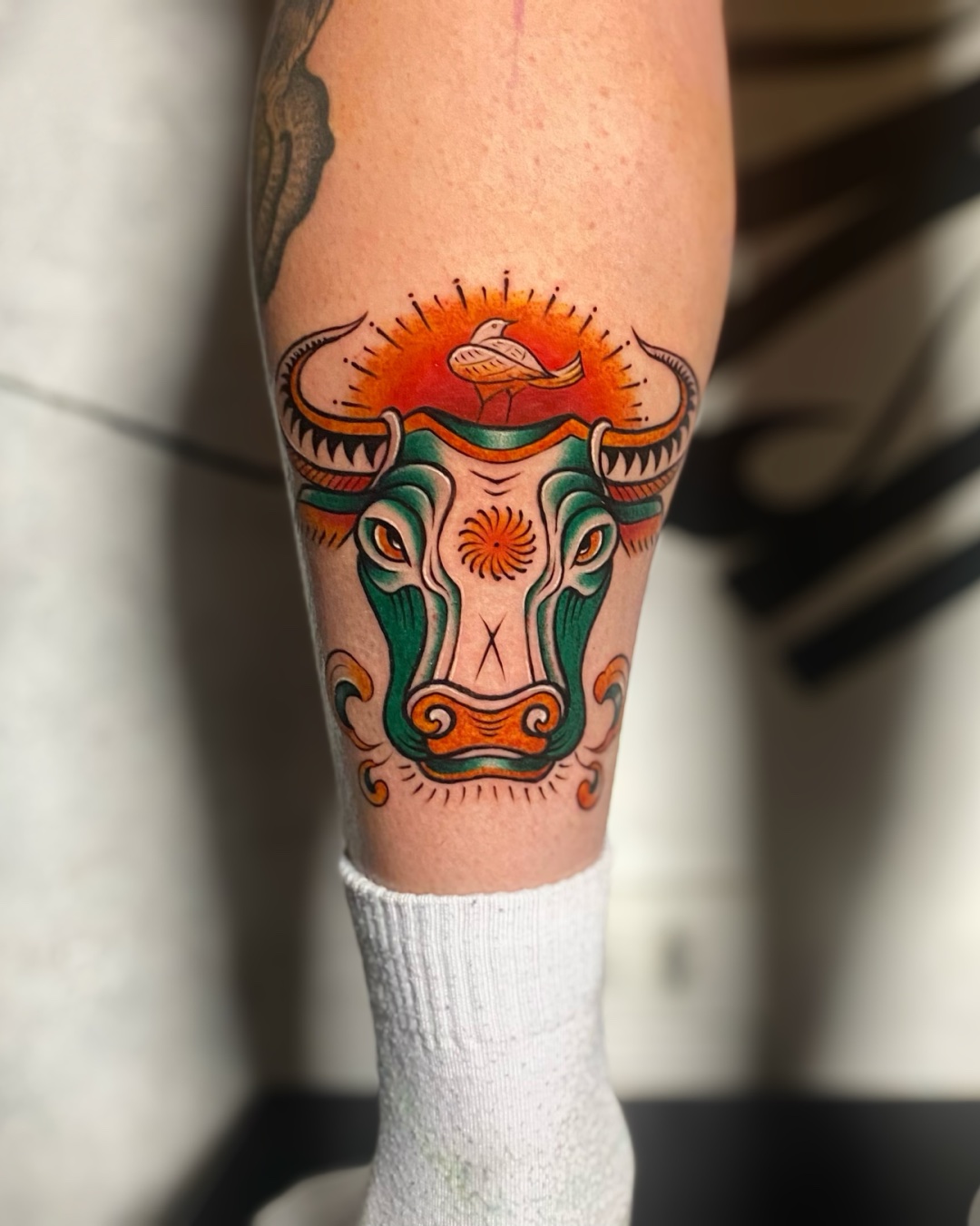
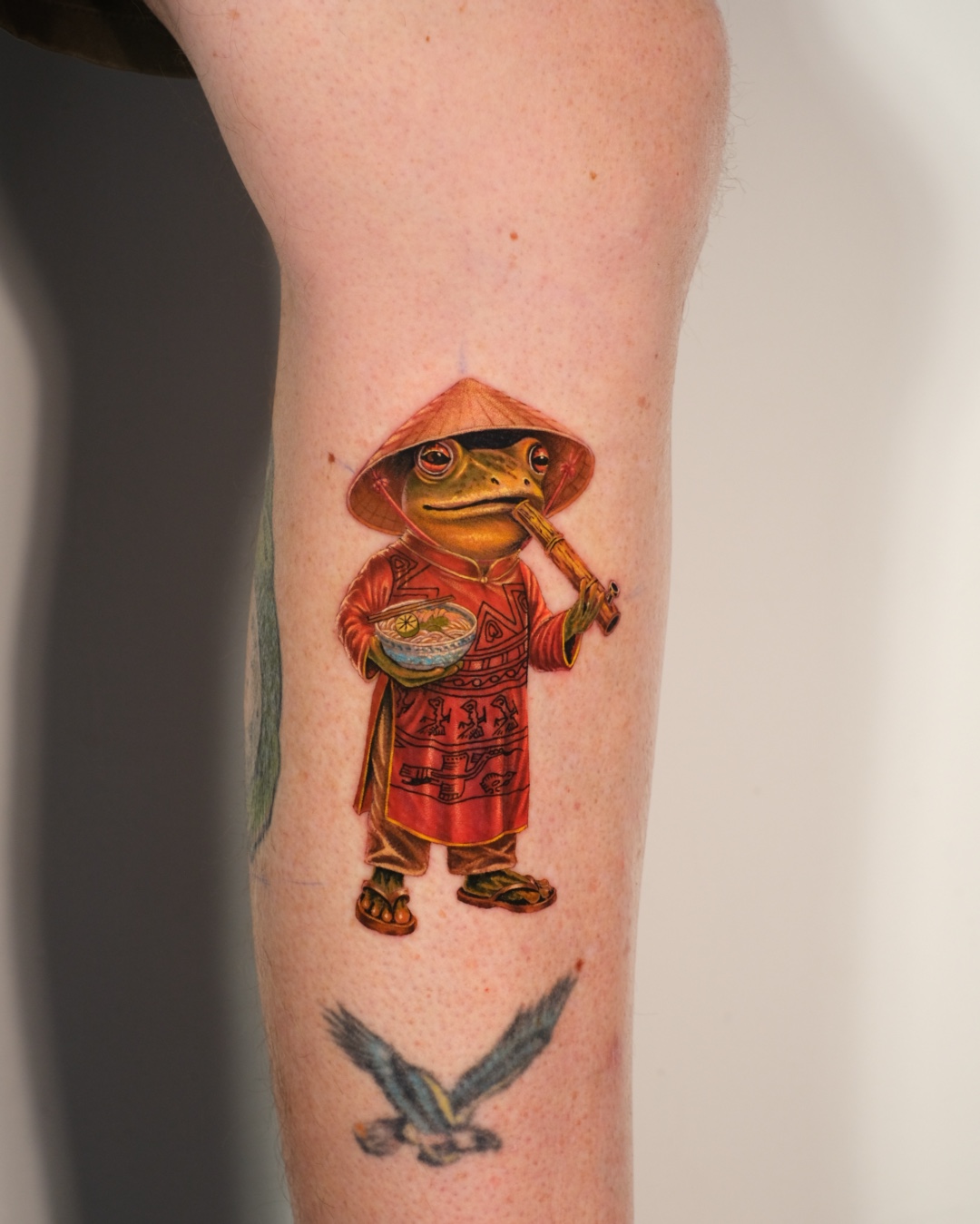
Blackwork and Blackout both use black ink as their primary element, which is why they are sometimes confused with one another. However, they differ significantly in how black ink is used and how the overall design is constructed.
Blackwork is a tattoo style that uses black ink to build imagery through lines, solid black areas, contrast, and intentionally preserved areas of skin. Blackout, on the other hand, focuses on covering large areas of skin with solid black ink, making the black itself a dominant visual element.
These differences directly affect the design, the amount of skin covered with ink, and the overall visual impact of the tattoo.

What Is Blackwork Tattoo?
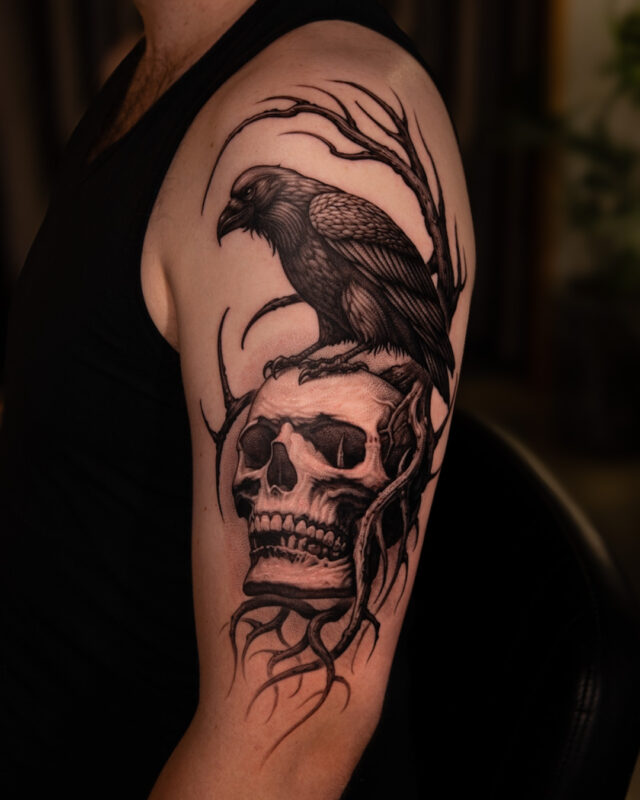
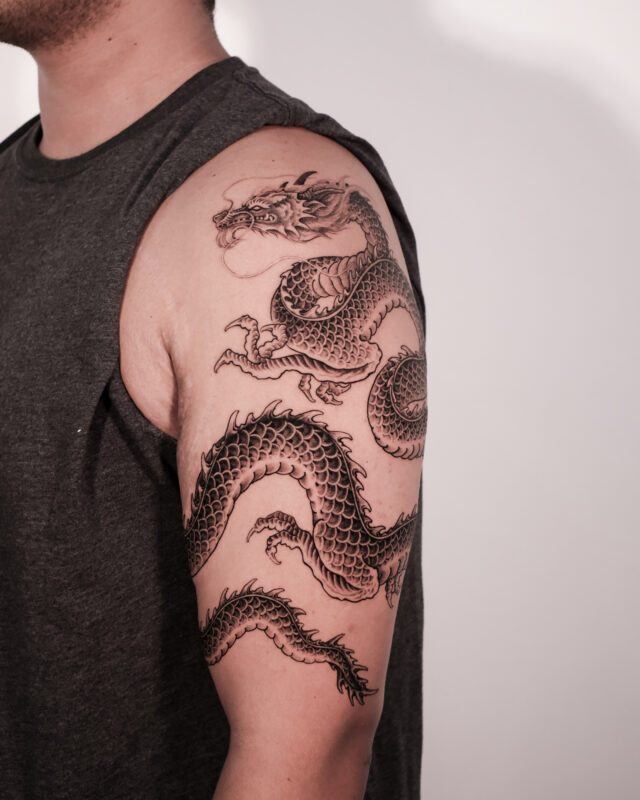
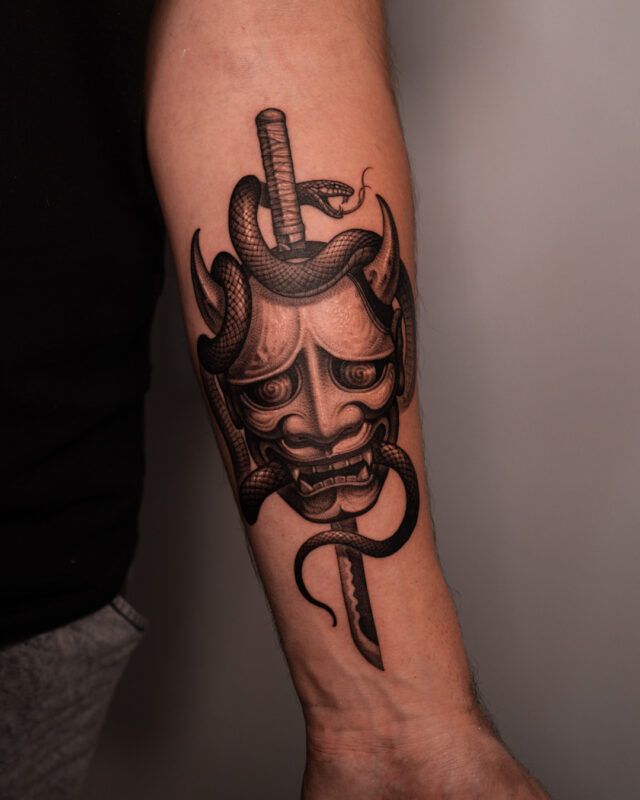
Blackwork is a tattoo style that uses black ink as the primary element to build imagery.
Artists can combine linework, solid black areas, tonal variation, and intentionally preserved areas of skin to create contrast and structure within the design.
This means that Blackwork does not necessarily require an area of skin to be completely covered in black ink. Natural skin can become part of the composition, helping the black elements stand out more clearly.
Blackwork can be created in a wide range of sizes and placements, depending on the design and the structure of the body area.
Learn more about the characteristics, techniques, and visual structure of Blackwork in our complete guide to Blackwork Tattoo.

What Is Blackout Tattoo?
Blackout tattooing focuses on covering a large area of skin with solid black ink.
The black area is usually continuous and covers a significant portion of the tattooed body part. This extensive use of solid black becomes one of the main visual elements of the design.
Blackout may be chosen for aesthetic reasons, particularly by those who want large areas of solid black with a strong visual impact.
In some cases, Blackout is also used for cover-up projects when the size or density of an existing tattoo makes other approaches difficult to achieve.

Blackwork vs Blackout: Key Differences
The most obvious similarity between Blackwork and Blackout is their use of black ink. The key difference lies in how that black ink is used.
Use of Black Ink
In Blackwork, black ink is used to build the imagery. Lines, solid black areas, and intentionally preserved areas of skin work together as part of the composition.
In Blackout, black ink is typically used to create large, continuous areas of coverage.
Skin Coverage
Blackwork does not require most of the skin to be covered with ink. Artists can intentionally leave areas of natural skin to create contrast and balance within the design.
Blackout typically involves significantly greater ink coverage, sometimes covering most of a large area such as an arm or leg.
Visual Result
In Blackwork, the imagery and overall composition remain the main focus. Black ink is carefully controlled to shape and define the design.
Blackout creates much of its visual impact through the scale and presence of large areas of solid black.
Scale
Blackwork can range from relatively small designs to large-scale pieces.
Blackout is generally approached on a larger area of the body, as extensive solid black coverage has a strong impact on the overall composition.
Can Blackwork and Blackout Be Used for Cover-Ups?
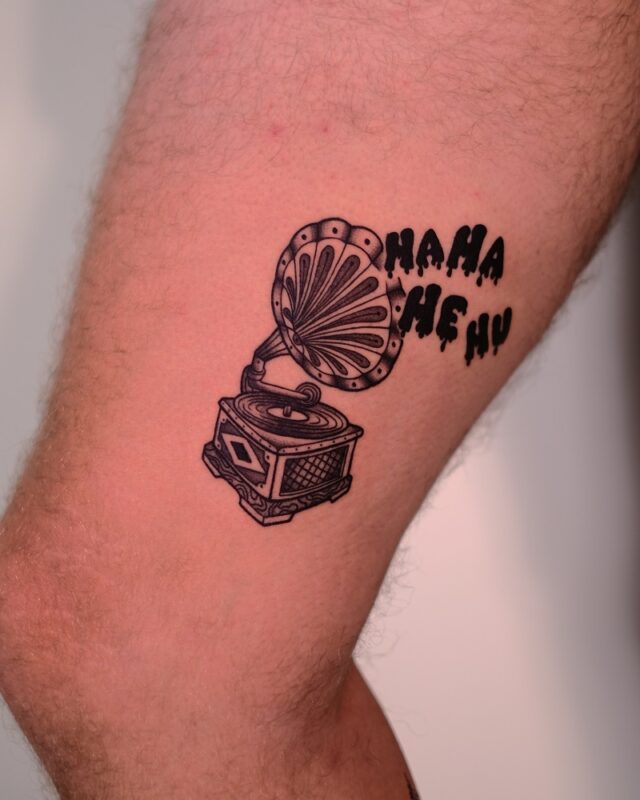
Yes. Both Blackwork and Blackout can be considered for certain cover-up projects, but what is possible depends on the existing tattoo.
Blackwork can use areas of black ink within a new design to cover or integrate parts of an old tattoo. The result depends on the size, color, ink density, and placement of the existing tattoo.
Blackout may be an option when an old tattoo is very large or dark and requires a significant amount of coverage.
However, Blackout is not the default solution for every cover-up. Once a large area of skin has been covered with solid black ink, the options for changing the design in the future become more limited.
For this reason, the artist should assess the existing tattoo and the actual condition of the skin before recommending an approach.
Choosing Between Blackwork and Blackout
The choice between Blackwork and Blackout should begin with the visual result you want to achieve.
If you want the imagery to remain the main focus, with a clear interaction between linework, solid black areas, and intentionally preserved skin, Blackwork may be the more suitable direction.
If you want large areas of solid black to become a dominant element of the tattoo, Blackout may be more appropriate.
For an existing tattoo, the choice also depends on the amount of ink already present and the possibilities for developing a new design over that area. In this case, consulting with an artist before making a decision is more important than choosing an approach based solely on reference images.
Blackwork Tattoo at Azone Tattoo
At Azone Tattoo Studio, Blackwork projects are developed around each client’s ideas, tattoo placement, and the structure of the body area.
Our artists consider the arrangement of linework, solid black areas, contrast, and preserved skin to create a design that works naturally with the chosen placement rather than applying the same composition to every client.
For large-scale pieces, Blackout, or cover-up projects, a consultation before tattooing is especially important. The artist needs to assess the skin and any existing tattoos before determining the most suitable design direction.
Azone Tattoo has studios in Hanoi and Saigon (Ho Chi Minh City) and offers consultations in English for international clients.

Frequently Asked Questions About Blackwork and Blackout Tattoos
Is Blackwork the Same as Blackout?
No. Blackwork uses black ink to build imagery through linework, solid black areas, contrast, and preserved skin. Blackout focuses on covering larger areas of skin with solid black ink.
Can Blackwork Be Used for Cover-Ups?
Yes, in some cases. The possibilities depend on the existing tattoo and the new design. The larger, darker, or more heavily saturated the existing tattoo is, the more limited the design options may become.
Can Blackout Cover an Existing Tattoo?
Yes. Blackout can be used for certain large-scale cover-up projects, but not every existing tattoo requires this approach. The artist should assess the current tattoo before recommending Blackout as a solution.
Do Blackwork and Blackout Tattoos Fade?
Yes. Both Blackwork and Blackout tattoos change over time, just like other tattoos. Long-term results depend on factors such as tattooing technique, the healing process, placement, sun exposure, and ongoing skin care.
Conclusion
Blackwork and Blackout both rely heavily on black ink, but they use it in different ways.
Blackwork uses black ink to build imagery and composition, while Blackout uses large areas of solid black as a dominant visual element.
The right approach depends on the desired design, body placement, and any existing tattoos. For large-scale pieces or cover-up projects, consulting directly with an artist before developing the design can help determine the most suitable direction.