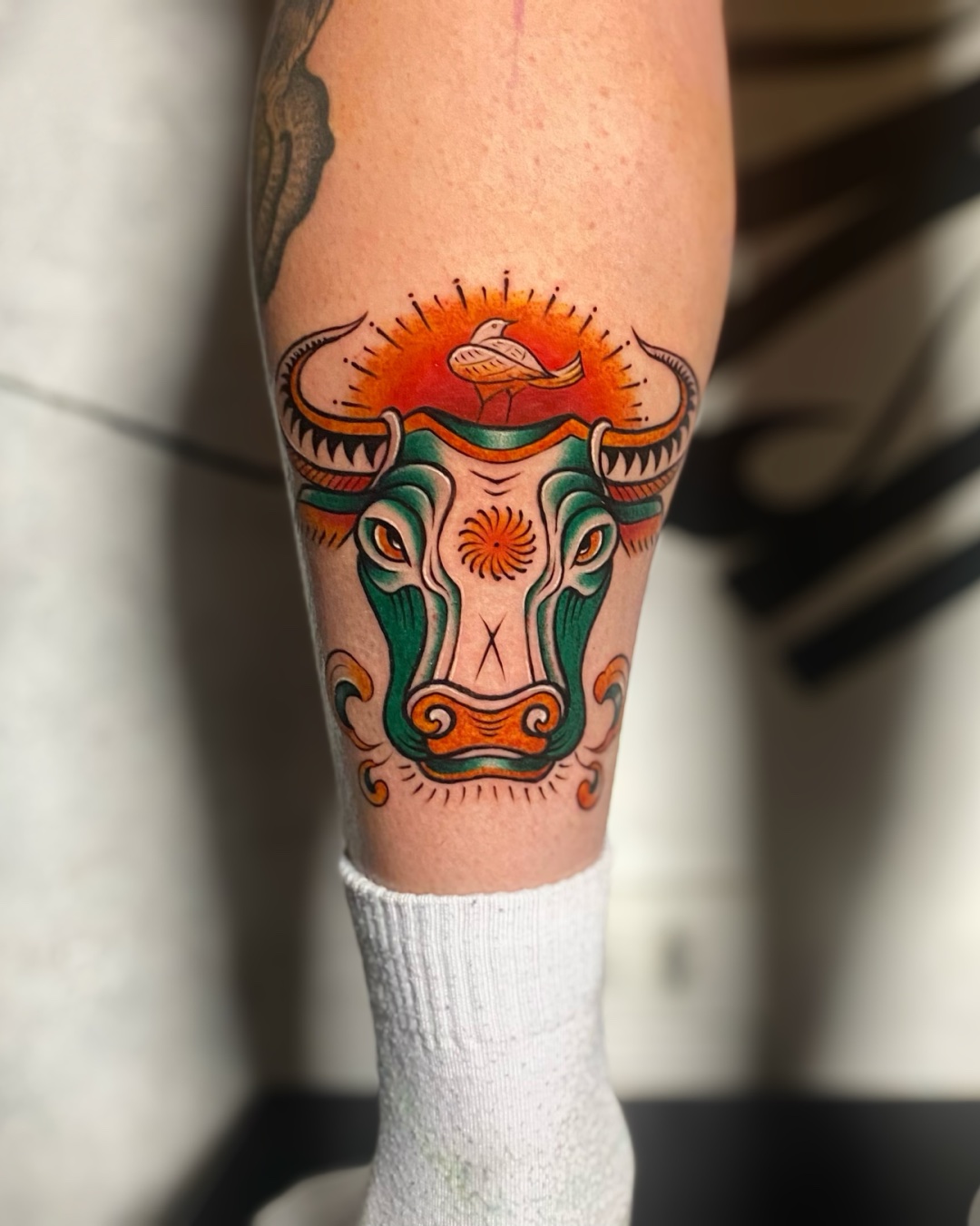
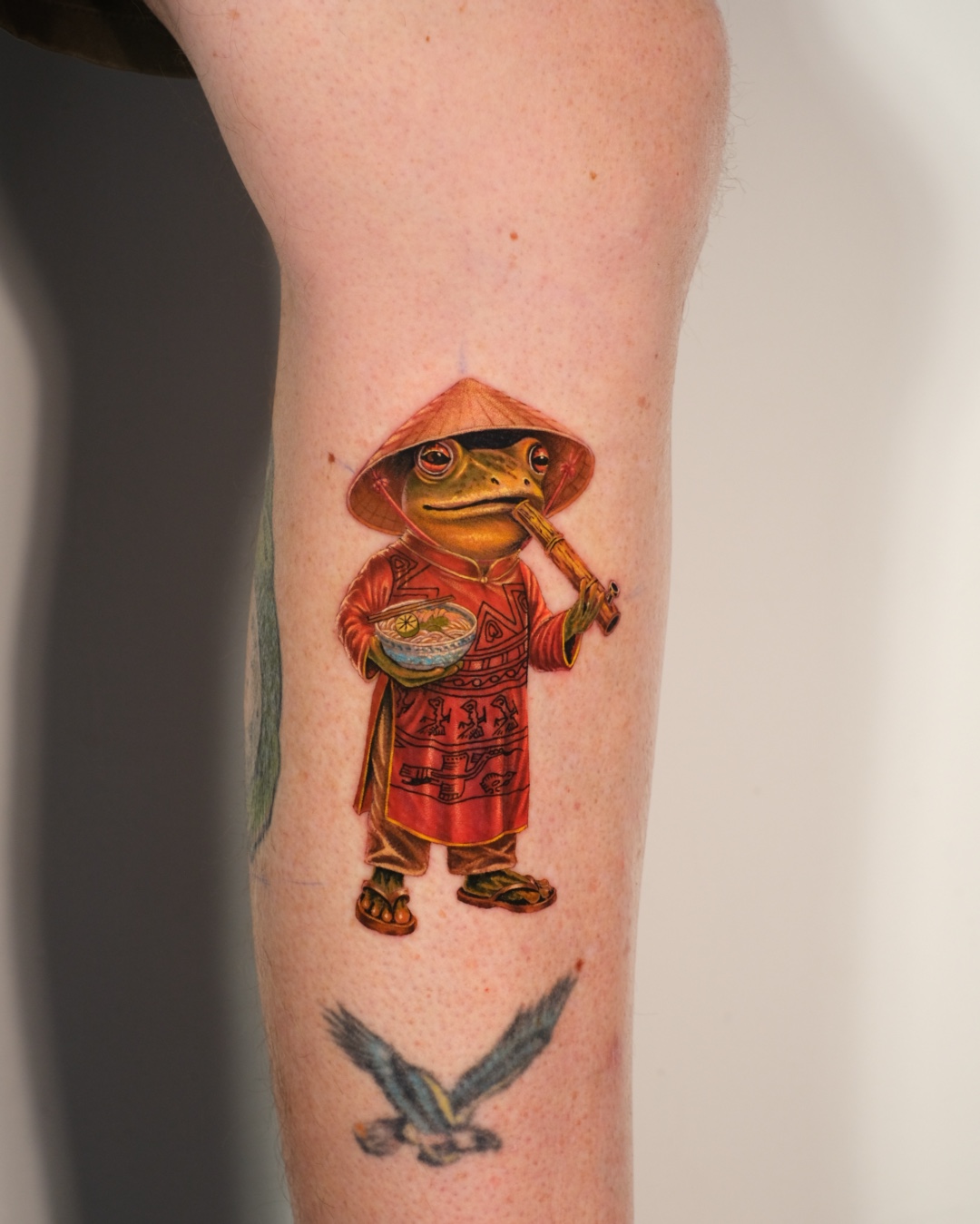
Have you ever want to try a buddha tattoo before? If you are going to, let’s take a look at many creative design and things you must know about. Especialy countries where buddha tattoos are banned. Let’s find out with Azone Tattoo
What is a Buddha Tattoo?
A Buddha tattoo is more than just a beautiful piece of body art—it’s a deeply symbolic representation of peace, enlightenment, and spiritual growth. Often chosen by those who feel a connection to Buddhist teachings or seek serenity and balance, these tattoos can reflect one’s personal journey toward mindfulness.

The image of Buddha is sacred in many Eastern religions, especially Buddhism and Hinduism. Tattooing his likeness is often seen as a sign of devotion or a reminder to live by values like compassion, detachment, and wisdom. However, this also comes with responsibility—one must understand the meaning and implications behind using such a sacred image permanently on the body.
>>> Best Dragon Tattoo Design That Most People Love
History and Symbolism Behind Buddha Tattoos
Buddha tattoos trace their spiritual lineage to ancient Eastern cultures, where tattoos often had religious or ritualistic roles. Buddhist monks sometimes used symbolic imagery as talismans. Though body art wasn’t mainstream in early Buddhism, it has evolved with global tattoo culture.
Common meanings associated with Buddha tattoos include:
-
Enlightenment: A pursuit of spiritual awakening.
-
Compassion: Living a life of kindness and peace.
-
Mindfulness: Focusing on the present moment.
-
Inner Strength: Overcoming suffering and temptation.
Is It Disrespectful to Get a Buddha Tattoo?
Yes, in some cultures and religious circles, getting a Buddha tattoo can be seen as disrespectful or even blasphemous. Many Buddhist communities believe Buddha’s image should only be used in reverence, not decoration. Placement matters too—putting it on the lower body (e.g., feet or legs) is considered especially offensive in some countries.

Countries Where Buddha Tattoos Are Banned
Before getting a Buddha tattoo — or traveling with one that’s already inked — it’s important to know that not all countries view this type of body art the same way. In several places, Buddha tattoos are considered deeply disrespectful or even illegal, especially when worn casually or without cultural understanding.
Here are a few countries where Buddha tattoos can cause serious issues:
Thailand
While tattoos are widely accepted in Thai culture, Buddha tattoos are a sensitive subject. Many locals see it as disrespectful if the image of Buddha is placed on the body — especially below the waist or treated without reverence. Foreigners have even faced fines or warnings for showing such tattoos in public. In short: in Thailand, intention matters, but so does cultural context.
Sri Lanka
This is one of the strictest countries regarding Buddha imagery. Tourists have been deported, detained, or denied entry simply for having visible Buddha tattoos. Authorities view it as a serious offense against the country’s religious values, regardless of your personal beliefs.
Myanmar (Burma)
Myanmar also holds very conservative religious norms around Buddhist symbols. Wearing a Buddha tattoo can be seen as highly inappropriate or even blasphemous, especially when visiting temples or religious sites. It’s best to keep tattoos fully covered and approach local customs with care.
>>> The Best Tattoo Studio In Hanoi
Types of Buddha Tattoos
Depending on what message or energy you’re drawn to, there are several popular styles and interpretations to choose from. Here’s a friendly guide to help you explore:
- Meditating Buddha: This is one of the most iconic and beloved designs. The image of the Buddha sitting cross-legged in deep meditation often symbolizes peace, inner stillness, and the journey toward enlightenment. People who choose this style are often looking to express their commitment to mindfulness, self-awareness, or a calm presence in their lives.
- Laughing Buddha: Also known as Budai or Hotei, this joyful figure is rooted more in Chinese Buddhist tradition than Indian. With his big smile, round belly, and relaxed posture, the Laughing Buddha represents happiness, abundance, and good luck. It’s a popular choice for those who want a lighthearted yet meaningful reminder to embrace joy and gratitude every day.
- Realistic Buddha Tattoos: These designs focus on fine detail, capturing the serenity and depth in Buddha’s facial expression or traditional robes. Often done in grayscale or soft color gradients, they feel like spiritual portraits — powerful and timeless.
- Minimalist Buddha Tattoos: Prefer something subtle and modern? Minimalist designs use clean lines, symbols, or small silhouettes — perfect for those who want to keep their ink meaningful but understated. A simple outline of a meditating figure or a lotus can carry just as much spiritual weight.

Popular Buddha Tattoo Designs and Their Spiritual Meanings
If you’re exploring a Buddha tattoo that’s not only visually beautiful but also rich in symbolism, here are some meaningful design ideas to inspire you. Each one tells a story — one that might just reflect your own path, beliefs, or transformation.
| Design Type | Symbolism & Meaning |
|---|---|
| Lotus with Buddha | The lotus flower rises from muddy waters — symbolizing purity, growth, and spiritual awakening through adversity. Paired with Buddha, it speaks to the journey from suffering to enlightenment. |
| Buddha with Mandala | Mandalas represent wholeness, balance, and the cosmic order of the universe. Combined with Buddha, this design reflects inner peace and focused meditation. |
| Half-Face Buddha | A powerful visual of duality — representing the balance between human experience and spiritual wisdom. It’s a reminder that peace comes from embracing both sides of the self. |
| Buddha Eyes (Wisdom Eyes) | Known as the “Eyes of Enlightenment,” this design signifies insight, intuition, and the Buddha’s all-seeing awareness. It’s a bold yet minimal way to carry spiritual depth in your ink. |

Things to Know Before Getting a Buddha Tattoo
Before choosing a Buddha design, take some time to understand the core teachings of Buddhism — even just the basics can help you connect more deeply with the symbol you’re wearing.
Avoid designs that mix sacred symbols with inappropriate or trendy elements that may come across as disrespectful. A little cultural awareness goes a long way in honoring the significance of the image — both for yourself and for others who see it.
In many Asian cultures, the head is considered the most sacred part of the body, while the feet and lower limbs are seen as the lowest. So, placing a Buddha tattoo on your legs, feet, or buttocks may be interpreted as deeply disrespectful, even if you mean no harm.

If you’re unsure about placement, it’s always a good idea to talk it through with your tattoo artist. Artists like 9inker are not only skilled in design, but also understand cultural sensitivities and can help guide you toward a respectful and balanced choice.
Some countries, especially in Southeast Asia, have strict rules — both written and unwritten — about tattoos that feature Buddha. In places like Sri Lanka, Thailand, and Myanmar, people have been fined, detained, or even deported for visible Buddha tattoos.
If you’re planning to travel to Asia, consider covering up your tattoo when visiting temples, religious sites, or public spaces — even if you’re not Buddhist yourself. It’s not about fear — it’s about respect and showing cultural awareness as a traveler.
>>> How Tattoo Can Help With Anxiety And Depression
FAQs
Is it offensive to get a Buddha tattoo?
It can be, especially if done without awareness of the cultural or spiritual significance. For example, placing a Buddha image on lower body parts (like feet or thighs) might be seen as disrespectful in many Asian cultures. But if your tattoo comes from a place of genuine respect and understanding, and you’re mindful of placement, it’s often received more positively.
Can I travel to Buddhist countries with a Buddha tattoo?
Yes, you can — but be cautious and respectful. In countries like Thailand, Sri Lanka, and Myanmar, religious symbols are taken seriously. Even if you meant no offense, visible Buddha tattoos might lead to unwanted attention, legal trouble, or even denial of entry.
Which Buddha tattoo design is most popular?
One of the most requested designs is the Meditating Buddha, often surrounded by a lotus flower or a mandala. This combo blends elegance and symbolism — the lotus stands for growth through struggle, and the mandala adds a sense of wholeness and focus. It’s a favorite for good reason: peaceful, beautiful, and deeply meaningful.
Conclusion
A Buddha tattoo is a timeless, meaningful piece that can serve as a symbol of your spiritual growth and inner peace. However, it comes with a responsibility to understand its cultural weight and show reverence. Choose your design thoughtfully, seek out a skilled artist, and wear your tattoo with pride, respect, and mindfulness.
________________________
Contact Azone for booking
Hotline : 0981318686
Instagram: azonetattoo
Website : azonetattoo.com
Mail : azonetattoostudio@gmail.com
•Address 1 : No.102, 6 lane, Le Thanh Tong street, Hoan Kiem district, Ha Noi, Viet Nam.
•Address 2 : No. 57, floor 2 Luong Ngoc Quyen St, Hoan Kiem Dist, Hanoi, Viet Nam