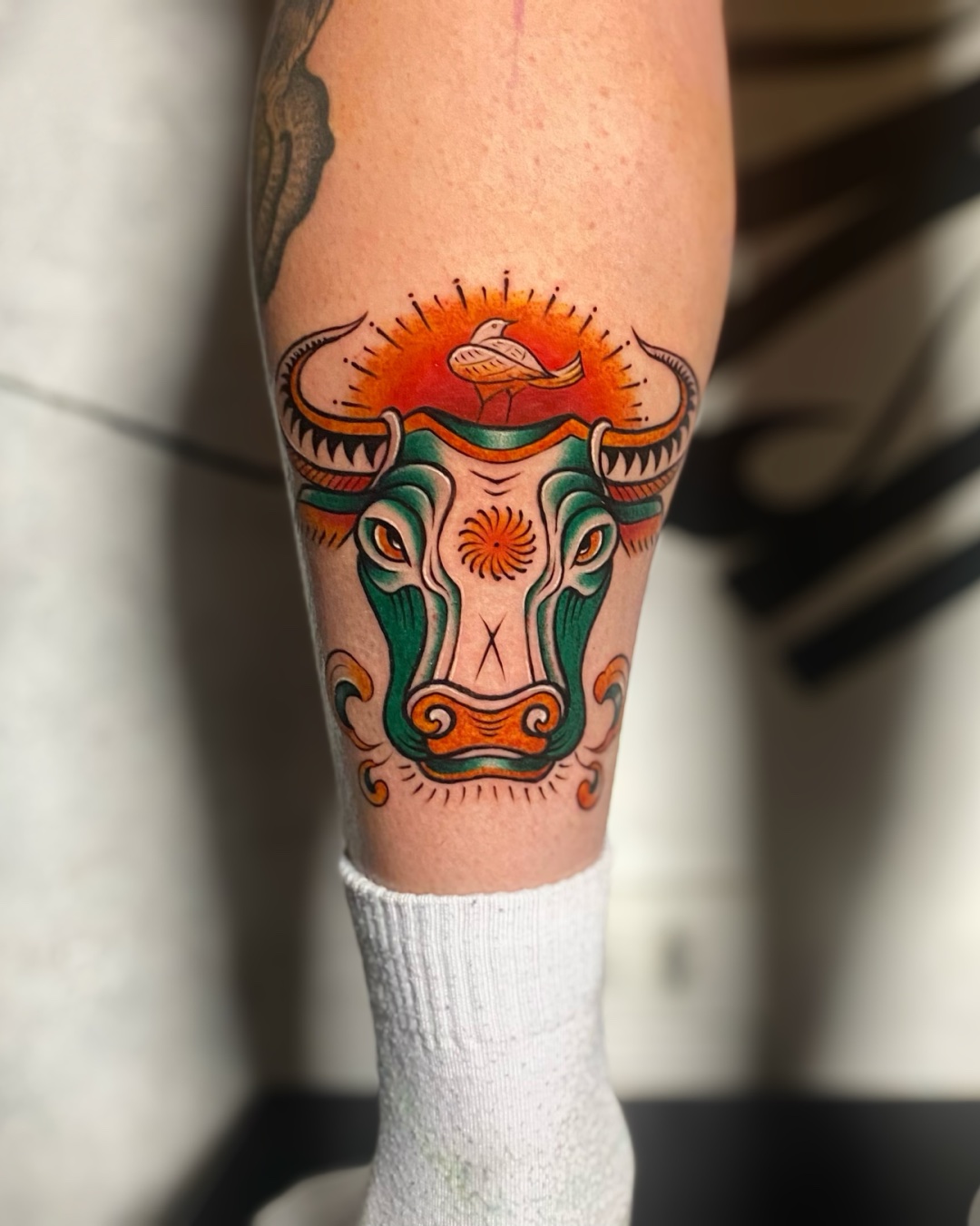
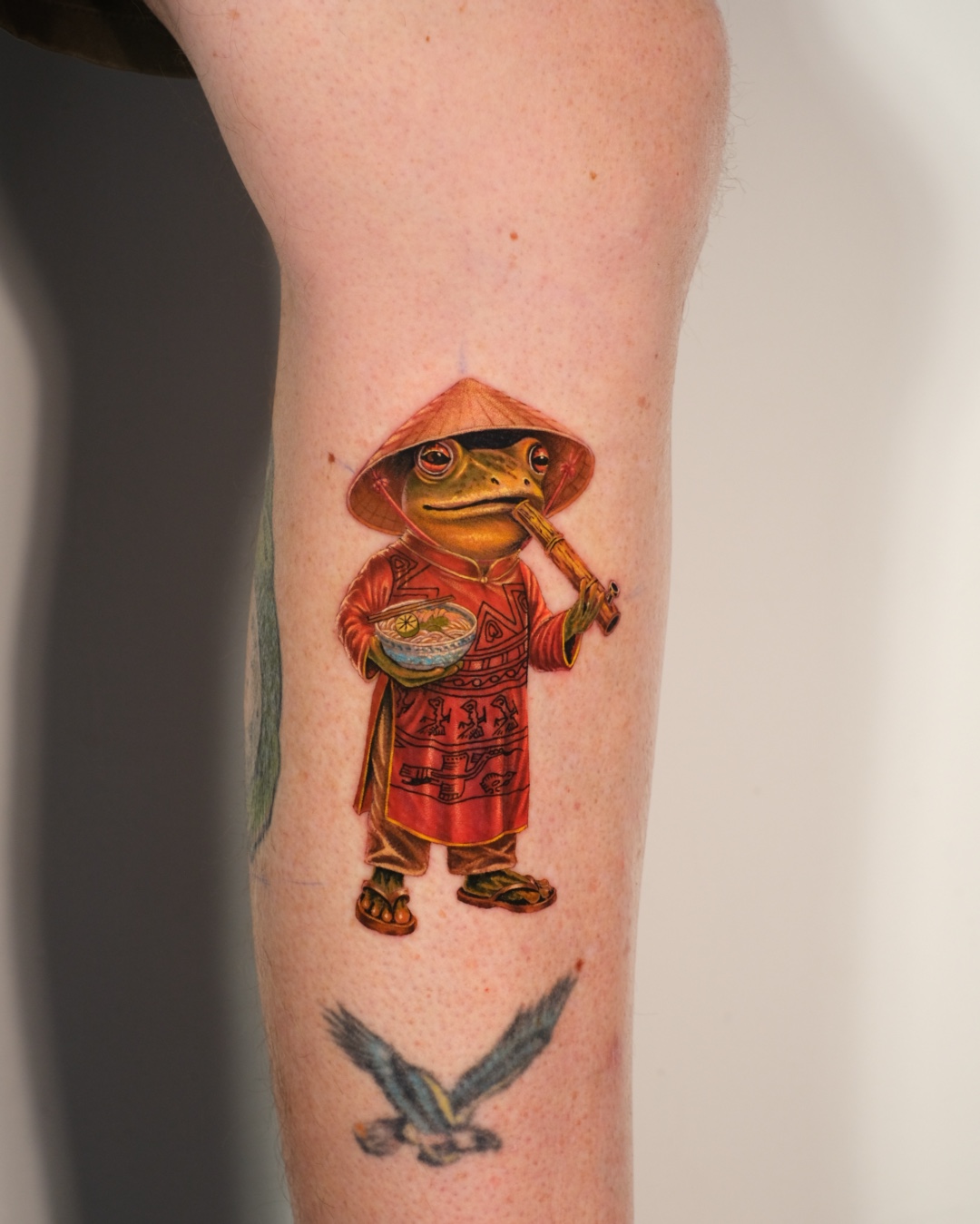
You might be surprised, but getting a tattoo could actually boost your mental well-being. Whether it’s to mark a meaningful milestone, express your personality, or simply appreciate body art, tattoos can offer emotional relief and a renewed sense of self. Many people find that the tattoo experience itself—both the process and the result—brings comfort during challenging times. Keep reading to discover how tattoo can help with anxiety and depression.

The Psychology Behind Tattoos
Tattoos are often seen as bold statements or artistic choices, but for many, they go far beyond surface-level design. Behind every tattoo lies a story—sometimes quiet, sometimes painful, often deeply personal. For individuals living with anxiety or depression, tattoos can be a way to make sense of their emotions, especially when words fall short.
Turning Emotions Into Art
There’s something powerful about translating your inner world into something permanent and visible. For some, getting a tattoo is a way to express emotions they’ve carried in silence. Whether it’s a symbol of loss, love, survival, or growth, the process can feel healing. In many cases, it’s not just about how the tattoo looks—but what it represents. This physical expression of emotion can validate feelings that have long been hidden, offering a sense of relief or even closure.
Tattoos as Anchors During Difficult Times
Beyond emotional expression, tattoos can also become personal anchors—reminders of resilience during times of distress. A simple word inked on a wrist, a date, or an image that holds personal meaning can help ground someone during a panic attack or a wave of sadness. These tattoos become more than art—they become tools for coping. For people struggling with anxiety or depression, seeing something permanent and purposeful on their skin can remind them of how far they’ve come and that they’re not alone.
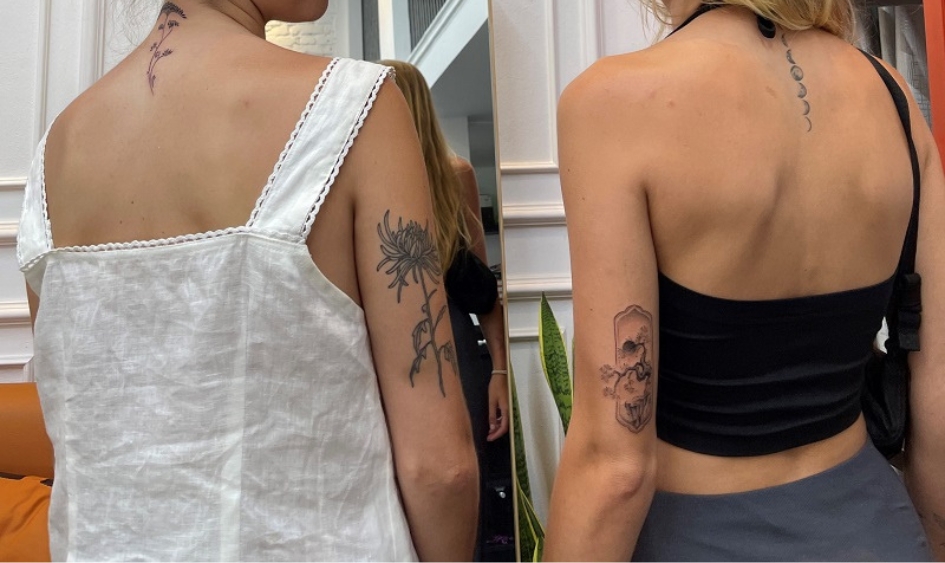
How Tattoo Can Help With Anxiety?
If you’ve ever searched for “anxiety tattoos,” you’ve probably come across designs that feel like quiet reassurances—small pieces of art that remind people they’re not alone in their struggles. For many living with anxiety or depression, tattoos aren’t just decorative; they’re deeply personal messages etched into the skin, offering comfort and affirmation.
These tattoos can say what words sometimes can’t. They whisper reminders like you are enough, this will pass, or you’re stronger than you think. Each design carries a unique story, and for some, just looking at it during a difficult moment can bring a sense of calm.
Here are a few types of anxiety-related tattoos that resonate with those on a journey toward emotional balance:
The Serotonin Symbol
While the science of mood is complex, serotonin is often associated with feelings of stability and happiness. That’s why some choose to tattoo the serotonin molecule—it’s not just a nod to brain chemistry but a symbol of hope. A reminder that our moods, like the weather, shift—and that brighter days are always possible.
Comforting Words
Sometimes, just a few words can carry immense weight. Phrases like “this too shall pass” or “breathe” can serve as emotional anchors—quiet voices reminding us that tough moments are temporary. These tattoos are often placed in visible areas, so they can be seen exactly when they’re needed most.
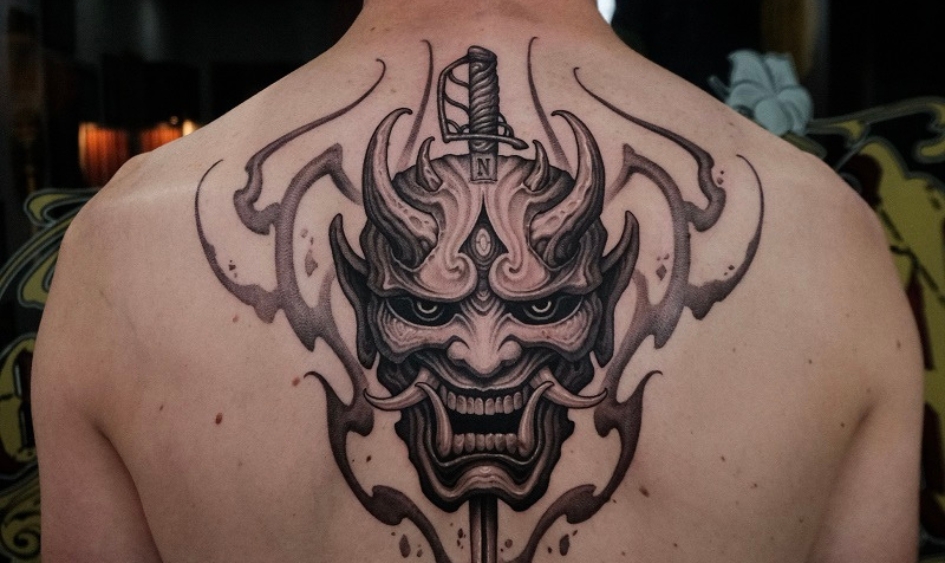
Calming Imagery
Visuals can be just as powerful as language. Some people opt for gentle, peaceful designs—a wave, a tree, a butterfly. These calming symbols act as touchstones during anxiety episodes, offering a sense of grounding or serenity. What’s soothing to one person might be different for another, making this type of tattoo beautifully personal.
Symbols of Joy or Nostalgia
Not every tattoo linked to mental health has to be serious. In fact, some of the most comforting ones are tied to moments of joy—a favorite cartoon, a special place, a memory from childhood. These tattoos act like emotional time machines, bringing you back to when things felt lighter. When anxiety looms, even a brief visit to a happier memory can make a difference.
Why Tattoo Can Help With Anxiety And Depression?
Mr. A, a 31-year-old Caucasian U.S. Army veteran, sought treatment for PTSD stemming from combat experiences in Iraq and Afghanistan. Despite a challenging history, including a traumatic childhood marked by neglect, foster care, and early psychiatric issues, he is currently a high-functioning law student and father of two.
He began tattooing at age 11, influenced by a violent environment and forced street survival. His tattoos reflect a complex personal history—ranging from racial identity and violence to military tribute and philosophical themes. Many serve as emotional markers from different life phases.
Though he found structure in military service, he struggled with authority and post-deployment adjustment. Now sober and in partial custody of his children, Mr. A lives with his partner. In therapy, he remains emotionally guarded and resistant to exploring deeper psychological content, despite significant trauma symptoms. Tattoos helped Mr. A process trauma he couldn’t yet articulate. They offered control, catharsis, and a visible way to carry and honor his past. For him, healing didn’t start in the therapist’s chair—it started with the needle.
Choosing The Right Tattoo
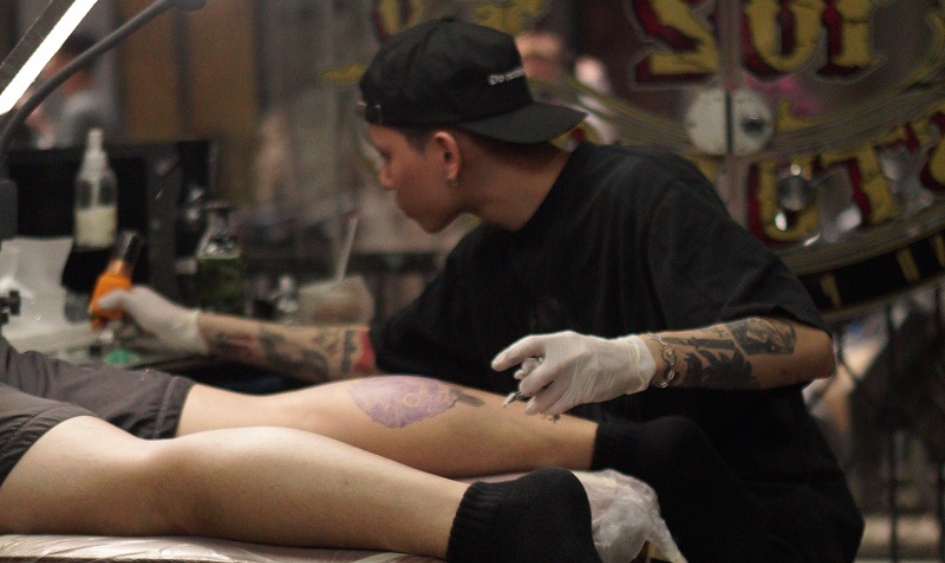
When it comes to getting a tattoo for mental health or emotional support, the decision goes far beyond aesthetics. It becomes a personal milestone—an outward reflection of an inward journey. That’s why choosing the right tattoo involves more than picking a design off the wall. It requires intention, care, and connection.
Design: More Than Just an Image
The best tattoos for emotional healing aren’t always the boldest or most elaborate—they’re the ones that mean something. Whether it’s a single word, a symbolic image, or a tribute to someone or something important, the design should resonate deeply. It should reflect where you’ve been, where you are, or where you hope to go. For some, it’s a message of hope. For others, it’s a reminder of strength or a memorial to loss. Take time to reflect. Ask yourself: Does this feel like part of my story?
Placement: Visibility vs. Privacy
Where you place the tattoo can be just as significant as what it represents. Some choose visible areas—like the wrist, forearm, or collarbone—so they can draw strength from it in moments of anxiety or doubt. Others opt for more private spots, making the tattoo a quiet comfort rather than a public statement. There’s no right or wrong—only what feels right for you and your healing process.
Artist: Trust is Key
Not all tattoo artists are the same, especially when it comes to emotionally charged ink. Finding someone who understands the story behind your tattoo—and treats it with care and sensitivity—can make a huge difference. Look for an artist whose style matches your vision and who creates a safe, respectful environment. The process should feel empowering, not ruThis article delves into the multifaceted relationship between tattoos and mental health, exploring how ink can serve as a beacon of hope, a symbol of resilience, and a step towards healing.shed or transactional.

The Power of Personal Meaning
At its core, a tattoo is about connection. And when that connection is personal—rooted in healing, growth, or remembrance—it becomes more than art. It becomes a quiet act of self-care. A permanent, visible reminder that your story matters. That you’ve come through something. That you’re still here.
>>> What Does a “Self Love Is the Best Love” Tattoo Really Mean?
Potential Risks and Considerations
Tattoos can be powerful tools for healing—but like any form of self-expression rooted in emotional depth, they also carry weight. Before sitting in the artist’s chair, it’s important to step back and ask: Is this helping me move forward, or might it hold me back?
Emotional Triggers: When Ink Reopens Old Wounds
A tattoo that marks a painful chapter—loss, trauma, heartbreak—can be both comforting and heavy. What feels healing today may, over time, become a trigger. For some, seeing a visual reminder of a dark past can resurface emotions that were once buried. This doesn’t mean the tattoo shouldn’t happen—it just means the decision deserves reflection. Are you choosing the design from a place of closure, or from an open wound?
Physical Health Matters: Safety First, Always
Beyond the emotional aspects, physical safety must never be overlooked. A healing tattoo begins with a clean needle, a licensed artist, and a sterile environment. This is especially important for those with skin sensitivities, autoimmune issues, or a history of allergic reactions. The body deserves as much care as the story being told on its surface.

A Balanced Perspective
Ultimately, tattoos are deeply personal. They can serve as anchors in rough seas or gentle reminders of resilience. But healing is never one-size-fits-all. What soothes one person may unsettle another. So take your time. Breathe. And when you’re ready, let the ink carry not just your pain, but your progress.
Is Tattoo Right For Me?
Choosing to get a tattoo is a deeply personal decision—and for many, it’s more than just body art. It can be a symbol of healing, identity, or memory. But before the needle touches skin, it’s worth pausing to ask yourself: Is this truly for me?
If you’re new to tattoos, allow yourself to explore first. Read stories, ask questions, visit studios. Talk to people who carry their own meaningful ink—what was their experience like? What would they do differently? Let their insight guide your own.
>>> What are the benefits of getting a tattoo

Conclusion
Tattoos have evolved far beyond mere body art—they’ve become personal badges of resilience, markers of transformation, and in many cases, tools for healing. For individuals dealing with anxiety and depression, tattoos can provide a sense of control, self-expression, and community support. However, like all therapeutic practices, they require thoughtful consideration. By combining meaningful design choices, professional advice, and a clear understanding of one’s emotional landscape, tattoos can play a powerful role in one’s mental health journey. And I bet you now know how tattoo can help with anxiety and depression.
________________________
Contact Azone for booking
Hotline : 0981318686
Instagram: azonetattoo
Website : azonetattoo.com
Mail : azonetattoostudio@gmail.com
•Address 1 : No.102, 6 lane, Le Thanh Tong street, Hoan Kiem district, Ha Noi, Viet Nam.
•Address 2 : No. 57, floor 2 Luong Ngoc Quyen St, Hoan Kiem Dist, Hanoi, Viet Nam