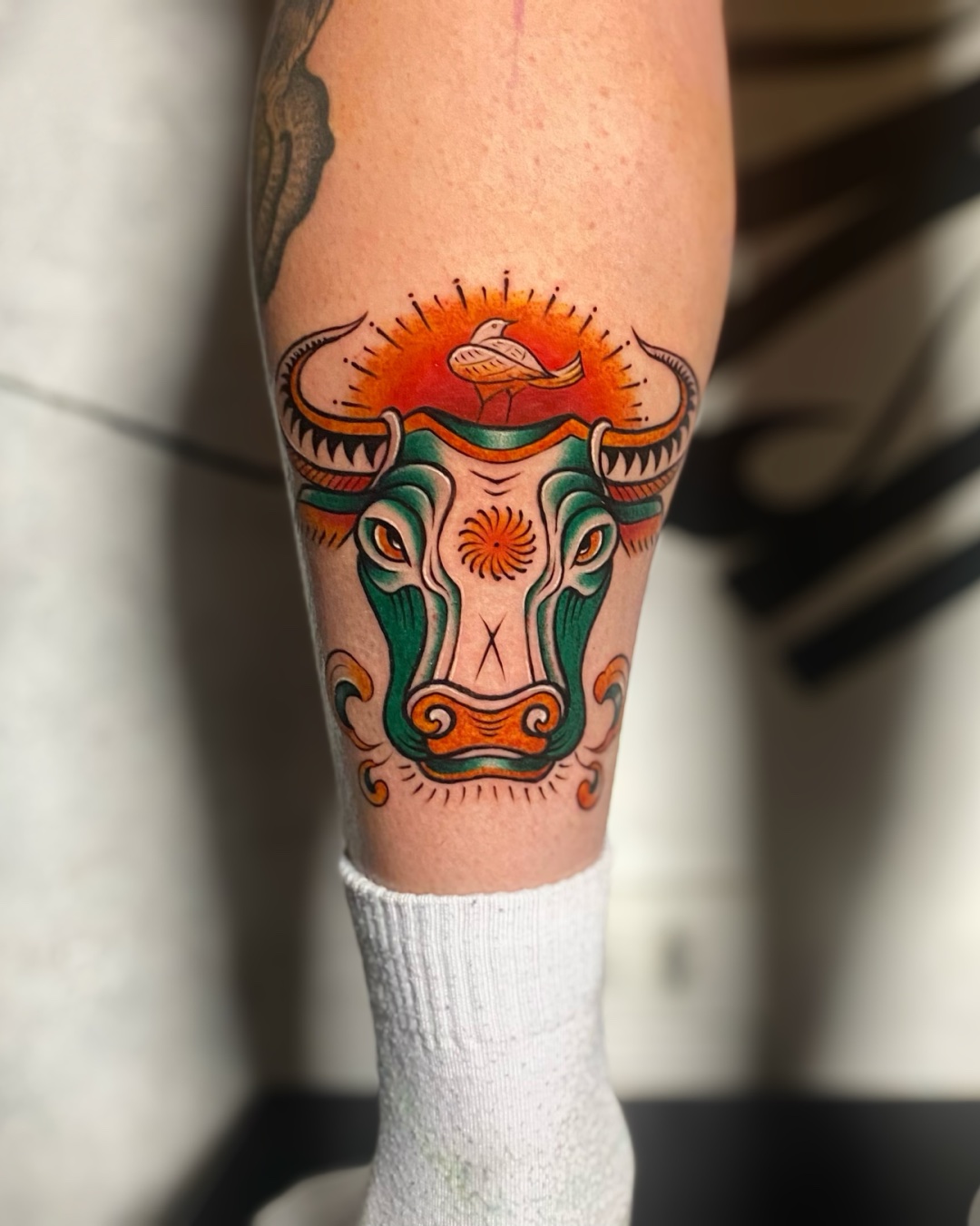
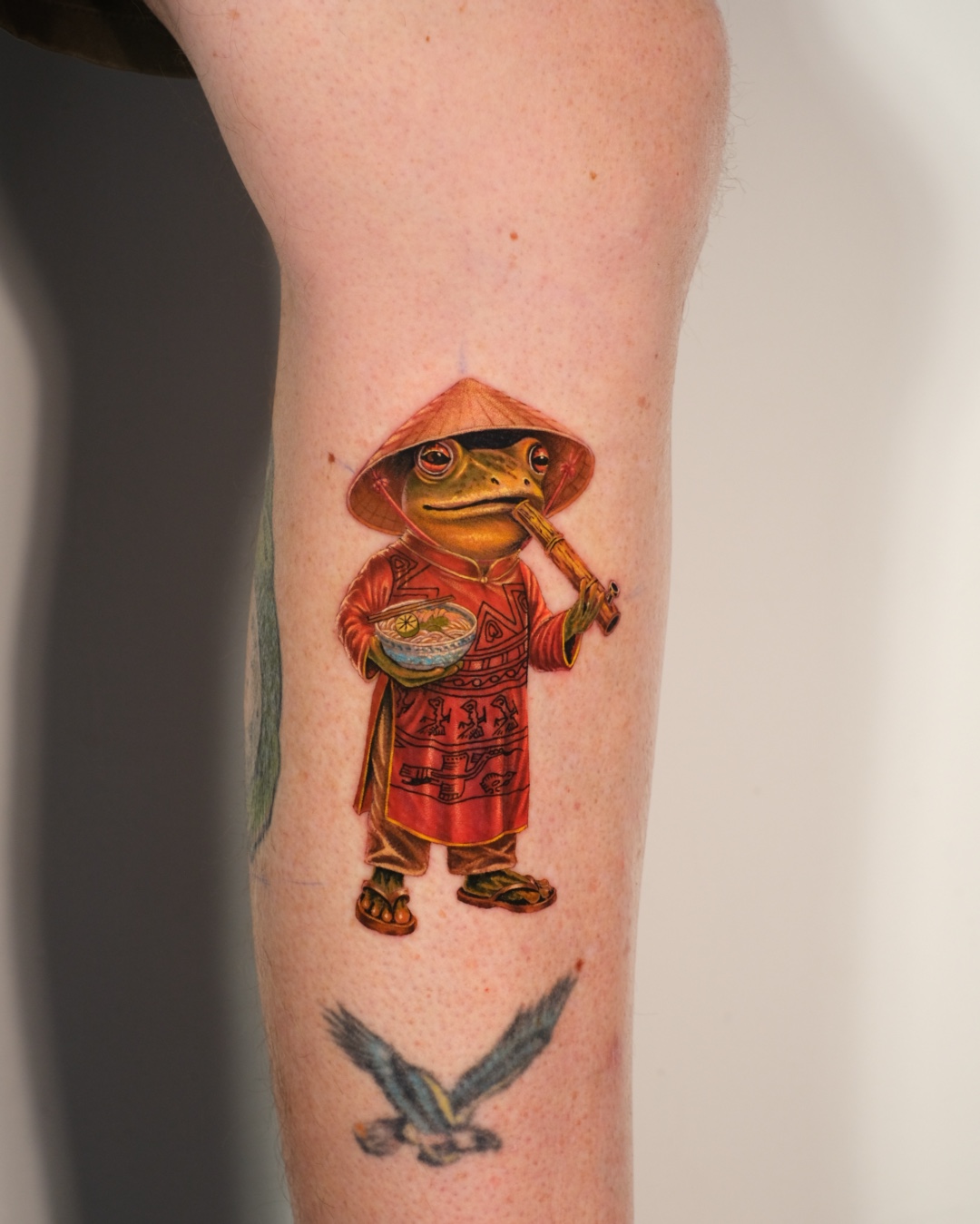
Vietnam’s tattoo scene is a breathtaking fusion of ancient symbolism and contemporary self-expression. Once frowned upon and often associated with outlaws, the Tattoo of Vietnam has evolved dramatically over the past few decades, becoming a legitimate art form and a vehicle of personal identity for millions. Let’s find out now!
Traditional Vietnamese Tattoos
Before tattoos were fashion, they were spiritual and functional in Vietnam. Historically, some tribes inked their bodies with talismans to protect against evil spirits or to declare their social status.
These creatures aren’t just beautiful—they carry deep meaning. The dragon (rồng) symbolizes power and protection, while the phoenix (phượng hoàng) is rebirth and grace. Both appear frequently in historical Vietnamese scrolls and now on modern skin.
Ethnic groups like the Dao and Hmong have long traditions of tattooing. Their motifs are geometric and spiritually charged, often reflecting stories of their ancestors or tribal legends.
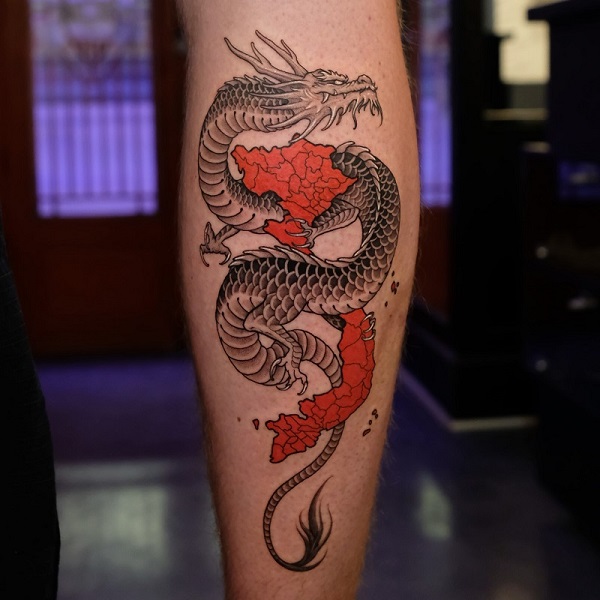
In some Vietnamese myths, tattoos served as camouflage to escape sea monsters, or as rites of passage into adulthood. These beliefs still influence tattoo choices among those seeking deeper cultural connection.
>>> A unique artistic trend: Fan Tattoo
Modern Tattoo Culture in Vietnam
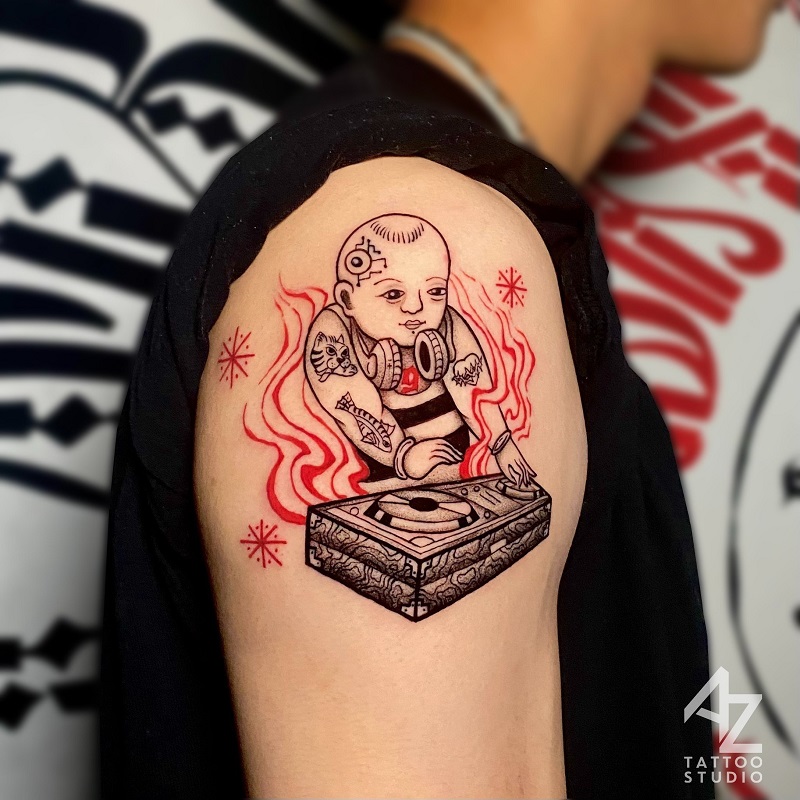
From discreet back-alley shops to chic, high-end studios, the urban centers of Vietnam—especially Ho Chi Minh City and Hanoi—have become tattoo hubs. With global influences and a strong online presence, modern Vietnamese tattoo artists are pushing creative boundaries.
Vietnam’s youth are proud, expressive, and increasingly inked. For them, tattoos are stories, aesthetic choices, and declarations of independence from conservative norms.
Though once male-dominated, the tattoo scene now boasts many female artists and clients. Women often choose tattoos representing resilience, femininity, or freedom—marking a cultural shift in gender roles and self-image.

Popular Tattoo Styles in Vietnam Today
Realism and Black & Grey Portrait Tattoos
One of the most celebrated trends in Vietnamese tattoo artistry is realism, particularly in black and grey. These tattoos often feature portraits of loved ones, spiritual leaders, or historical figures, inked with stunning lifelike detail. Artists Vietnam have mastered this style, gaining international acclaim.
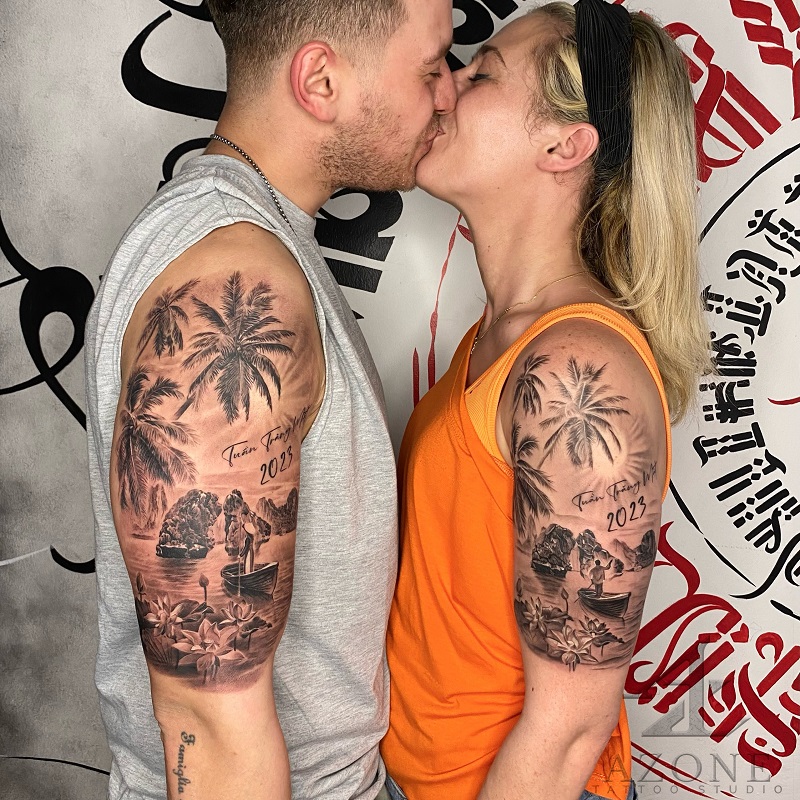
>>> The Art of Realistic to surreal tattoo
Watercolor and Brushstroke-Inspired Designs
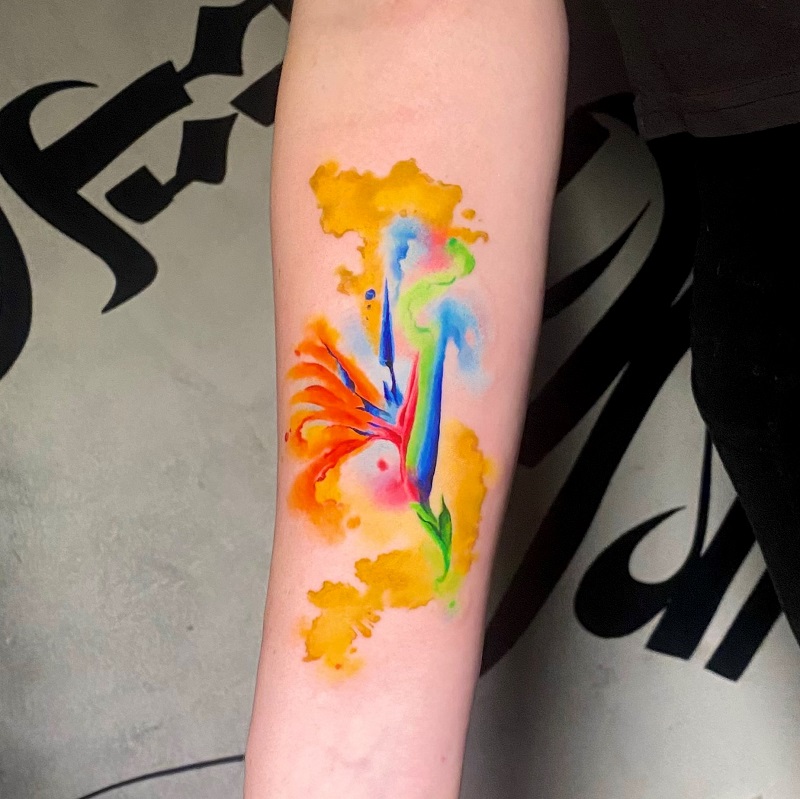
Vietnamese culture is steeped in visual art, and that influence has found its way into tattooing. Watercolor styles, inspired by traditional Đông Hồ paintings, are highly popular. These tattoos feature fluid lines, splash effects, and soft color blends that resemble brushstrokes—making each design a unique piece of art.
Why Travelers Choose to Get Inked in Vietnam
Vietnam has become a hotspot for tattoo tourism due to its high-quality artists, cultural symbolism, and affordability. Tourists often seek tattoos that reflect their journey, such as lotus flowers, temples, or traditional scripts.

Whether it’s a minimalist outline of Ha Long Bay, a bowl of steaming pho, or a symbolic design inspired by Vietnamese culture, each tattoo tells a personal story. The country’s growing community of skilled and passionate tattoo artists—especially in creative hubs like Hanoi and Ho Chi Minh City—adds to the appeal.
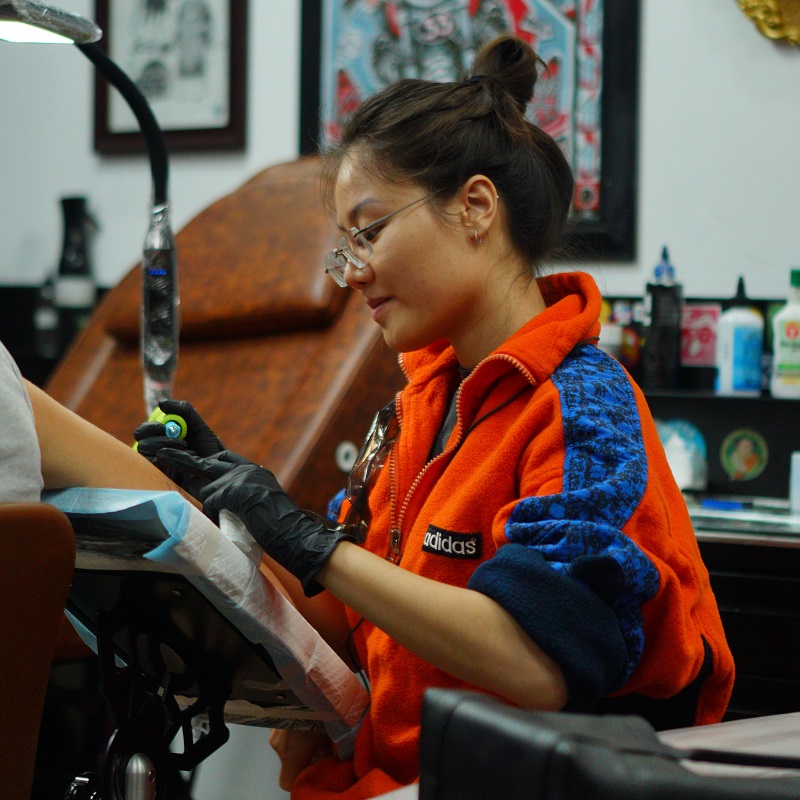
Studios like Azone Tattoo are known for their clean, professional environments and custom designs tailored to each client’s memories and inspirations. It’s not just about the ink—it’s about the experience, the connection, and the story that stays with you long after your trip ends.
FAQs About Tattoo of Vietnam
Is it safe to get a tattoo in Vietnam?
Yes, provided you go to a licensed, reputable studio with strict hygiene standards.
Are tattoos accepted in Vietnamese society?
Acceptance is growing, especially among youth, though some traditional views persist.
The best tattoo studio in Hanoi?
More than just a reputable tattoo studio in Hanoi, Azone Tattoo is a cultural destination for those who wish to preserve their unforgettable journey in Vietnam through the art of tattooing.
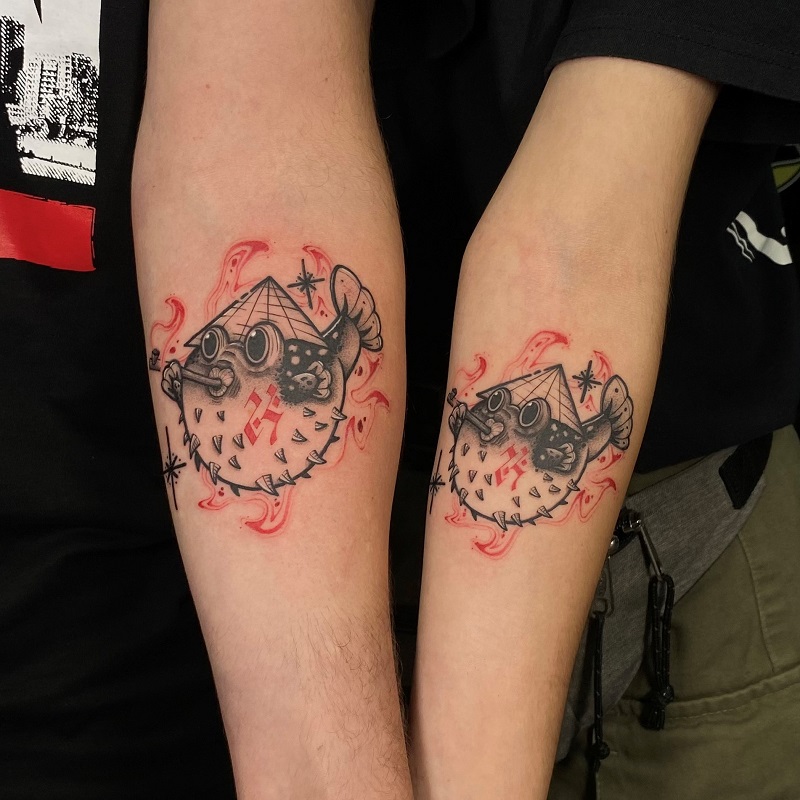
Many international travelers have come to us for unique designs inspired by Hanoi’s iconic landscapes and signature cuisine, turning each piece into a lasting part of their cultural exploration.
Conclusion
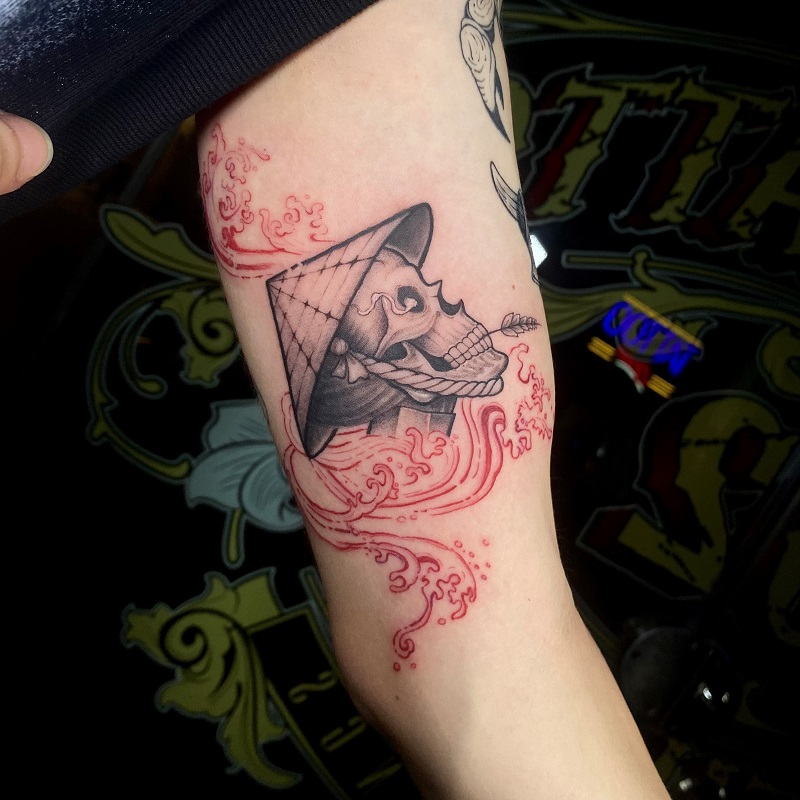
The Tattoo of Vietnam is more than body art—it’s a blend of personal stories, cultural pride, and artistic mastery. From ancient tribal traditions to contemporary masterpieces inked by global-award-winning artists, Vietnamese tattoos are a vibrant expression of identity and heritage. As societal acceptance grows and artists continue to innovate, the tattoo scene in Vietnam is set to flourish for decades to come.